Is Michelob Ultra Gluten Free
We often ask this question when choosing alcohol while living with celiac disease. Many people assume a light beer is safe, but the answer depends on ingredients and labeling.
Standard beers use barley and malt, and those grains and wheat contain gluten. The fermentation process does not remove gluten to safe levels for people with celiac disease in most cases.
The FDA allows up to 20 ppm for a product to be labeled gluten-free. We compare this brand and similar beers to wines and distilled spirits made from rice or sorghum to help you pick safe options.
Our goal is to give a clear, practical answer about this product and whether it contains gluten. Small amounts can trigger a reaction, so we focus on labels, ingredients, and how beers and alcohol are made.
Understanding the Ingredients in Michelob Ultra
Understanding what goes into a beer helps us decide if it suits a gluten-restricted diet.
The Role of Barley Malt
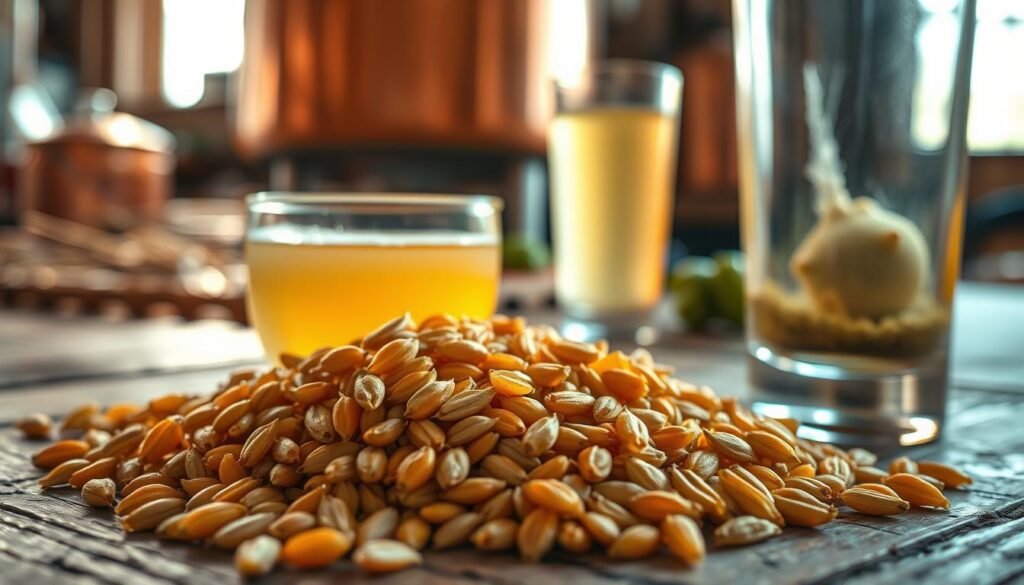
We note the ingredient list: water, barley malt, hops, and yeast. Because this light beer uses barley malt, it brings the proteins that often trigger reactions.
Barley supplies the starch and the protein fraction that can contain gluten. The brewing process does not remove those proteins reliably for people with celiac disease.
Why Grains Matter
Grains such as barley and wheat are central to many beers. Their protein content is the main reason many beers cannot be labeled safe for strict avoidance.
For context, a 12oz serving here contains 2.6g carbs, 0.6g protein, and about 95 calories. The presence of barley is why this type of light beer is not a safe substitute for wine or distilled alcohol made from non-gluten sources.
- Popular: ranked 8th best-selling beer in America in 2013.
- Key point: it uses barley malt, which makes it unsuitable for those who must avoid wheat and related grains.
| Ingredient | Source | Gluten Risk | Suitable for Celiac? |
|---|---|---|---|
| Barley malt | Grain | High | No |
| Hops | Plant | None | Yes |
| Yeast | Microorganism | Low | Depends on fermentation |
| Water | Liquid | None | Yes |
Is Michelob Ultra Gluten Free for Those with Celiac Disease
When choosing a drink at a gathering, people with celiac disease need clear answers about safety.
We give a direct answer: this beer is not safe for people celiac disease. The recipe uses barley malt, and that ingredient brings gluten into the final product.

Because the brewing process starts with grains, the proteins that cause reactions remain. Even tiny amounts of gluten can trigger symptoms for those with celiac disease or gluten sensitivity.
- Contains barley malt — a clear source of gluten.
- Not suitable for anyone avoiding wheat or related grains.
- Wine and many distilled spirits are generally safer alternatives.
| Drink | Primary Ingredient | Suitability for Celiac |
|---|---|---|
| Light lager beer | Barley malt | No — contains gluten |
| Wine | Grapes | Generally yes — low gluten risk |
We share this so people can make informed choices and avoid a harmful reaction. When in doubt, choose drinks made from non-gluten sources and check labels closely.
Analyzing Gluten Content and Testing Results
Independent test kits provide concrete numbers that help us interpret gluten in some beers.
Interpreting Low Level Gluten Data
Two consumer tests give different but worrying ranges. An Imutest kit showed a very low range of 20–100 ppm for michelob ultra. An EZ Gluten test estimated about 20–30 ppm.
Both results place the product above the 20 ppm threshold used for a labeled gluten-free product. That means this light beer cannot be called gluten-free for people with celiac disease.
- Imutest: 20–100 ppm — not safe for celiac disease.
- EZ Gluten: ~20–30 ppm — confirms measurable gluten content.
- Some with gluten sensitivity may tolerate low levels, but risk remains for people celiac disease.

| Test | Estimated ppm | Implication |
|---|---|---|
| Imutest | 20–100 | Above 20 ppm — not safe for celiac |
| EZ Gluten | 20–30 | Measurable gluten — caution advised |
| Brewing source | Barley | Barley malt leads to residual gluten |
We compare these findings to wine or sorghum-based alcohol, which typically start from non-barley sources and have lower gluten risk. Because the brewing process uses barley, low readings can still trigger a reaction in sensitive people.
Making Informed Choices for Your Gluten Free Lifestyle
Making Informed Choices for Your Gluten Free Lifestyle
Picking the right beverage for a gluten-free life starts with knowing what’s in the bottle. We recommend prioritizing certified options over light beer brewed from barley to avoid a harmful reaction.
Choose wine or distilled spirits made from rice or sorghum when labels are unclear. These often pose less risk than beers that go through the brewing and fermentation process with malted barley.
When in doubt, check labeling and nutrition details and favor products that are explicitly labeled gluten-free. For more on nutrition and ingredient notes, see our guide to calories and content in this brand’s lineup at calorie & ingredient details.